

Deep carpet cleaning Stroud Green Road Finsbury Park
Posted on 09/06/2026
Deep carpet cleaning Stroud Green Road Finsbury Park: a practical guide for fresher, healthier carpets
If your carpet is looking a bit tired, holding onto odours, or showing the usual London-life marks from shoes, pets, and everyday foot traffic, deep carpet cleaning Stroud Green Road Finsbury Park can make a surprisingly big difference. It is not just about making fibres look brighter for a day or two. Done properly, it helps lift embedded dirt, freshen the room, and reduce the grimy build-up that vacuuming alone never quite reaches.
On a busy stretch like Stroud Green Road, carpets often deal with a constant mix of dust, wet-weather residue, and household spillages. That can leave them flattened and dull, even when the rest of the room is tidy. In this guide, we will look at what deep carpet cleaning actually means, how the process works, when it makes sense, and how to get the best possible result without wasting time or money.
And yes, there is a difference between a quick tidy-up and a proper deep clean. Quite a big one, actually.
Why Deep carpet cleaning Stroud Green Road Finsbury Park Matters
Carpets work hard. They collect dust, pollen, soil brought in on shoes, pet hair, crumbs, cooking smells, and the odd mystery stain that appears out of nowhere. In homes and small workplaces around Finsbury Park, especially near busier roads and high-footfall entrances, that build-up happens faster than people expect. A carpet can still look "fine" on the surface while the fibres underneath are carrying a lot more than you would want under your feet.
Deep carpet cleaning matters because it reaches beyond visible dirt. That means cleaning the pile more thoroughly, reducing trapped odours, and tackling residue that can make carpets feel sticky, flat, or worn. For many people, the first sign is not a dramatic stain. It is the feeling that the room no longer smells quite fresh, even after vacuuming. You know the one.
It also matters for property presentation. If you are preparing a flat for new tenants, refreshing a family home, or tidying up a small office, a clean carpet changes how the whole space feels. It can make a room look brighter and more cared for, which is often half the battle.
For readers who want broader local context, the area has its own pace and character, and that comes through in everyday maintenance needs too. If you enjoy local background and neighbourhood insight, you may also like reading this guide to the allure of Finsbury Park and the locals' guide to living in Finsbury Park.
How Deep carpet cleaning Stroud Green Road Finsbury Park Works
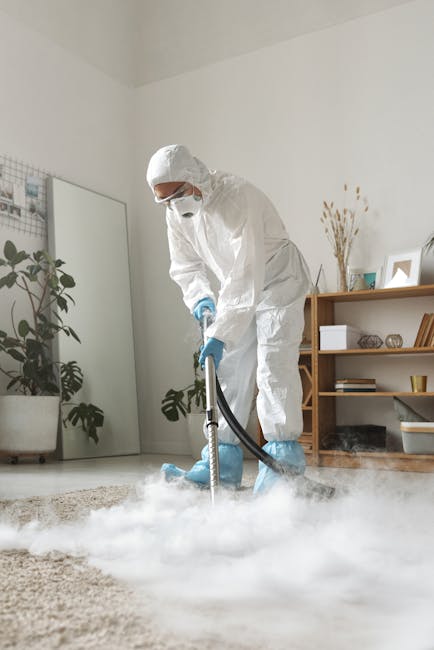
Deep carpet cleaning is not one single method. In practice, it usually combines inspection, pre-treatment, agitation, extraction or rinsing, and drying. The exact approach depends on the carpet fibre, the level of soiling, and whether there are stains, pet issues, or delicate materials involved.
A well-run clean normally starts with checking the carpet type. Wool, synthetic blends, and loop piles all behave a bit differently. Some are more forgiving; others are less keen on excess moisture or aggressive agitation. That first assessment matters more than many people realise. Rushing straight in is where trouble starts.
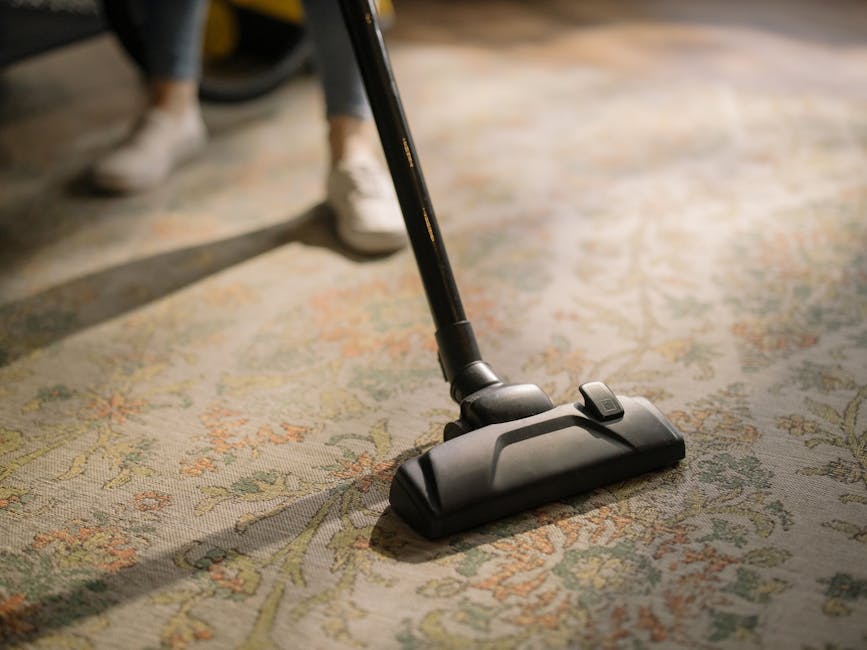
Next comes vacuuming and pre-treatment. This removes loose debris and loosens oils or spot stains. On a busy road or in a home with kids and pets, pre-treatment often does the heavy lifting because the carpet may hold a mix of dry dust and sticky residues. After that, a suitable machine or hand method works the fibres deeper down.
Most professional deep cleans then use hot water extraction or a low-moisture variation, depending on the carpet and the room. The aim is not to soak the carpet. The aim is to flush out embedded dirt while leaving the fibres as dry as possible afterwards. A damp carpet that takes all day to dry is annoying; a carpet that dries sensibly is simply better for the room and the schedule.
Finally, drying and post-inspection matter. You want the pile to lift, the room to smell clean rather than chemical-heavy, and the carpet to feel soft underfoot. If the fibres still feel gritty after drying, the job probably needs a second look.
Key Benefits and Practical Advantages
Deep carpet cleaning offers more than cosmetic improvement. In day-to-day terms, the gains are often practical and immediate.
- Improved appearance: carpets look fresher, brighter, and less matted.
- Better smell: trapped odours from cooking, pets, and spills are reduced.
- More comfortable feel: fibres often recover some softness and lift.
- Cleaner indoor environment: embedded dirt and dust are removed more thoroughly than with vacuuming alone.
- Longer carpet life: regular deep cleaning helps slow the wear caused by grit and residue.
- Better presentation for moving, renting, or selling: a cared-for carpet supports the rest of the room.
There is also a subtle benefit that people often forget: peace of mind. When the carpet is properly cleaned, you stop noticing it. And that is usually a good sign. The room feels settled again.
If you are comparing wider home cleaning needs, it may help to look at related services like domestic cleaning in Finsbury Park, house cleaning support, or even upholstery cleaning in Finsbury Park if sofas and chairs are also looking a bit weary.
Who This Is For and When It Makes Sense
Deep carpet cleaning is a good fit for a wide range of people, but it is especially useful in certain situations.
Homeowners often book a deep clean when carpets are visibly dull, when a child has had a few spills, or when a room no longer smells fresh even though it is regularly vacuumed. It is also a sensible seasonal job, especially after winter weather or before guests visit.
Tenants may need it before moving out, particularly if they want the property to present well at the end of a tenancy. A clean carpet can help a room look properly looked after. That does not mean it solves every issue, but it certainly helps.
Landlords and letting agents often need it between occupancies, when a property needs to be reset quickly and professionally. A carpet that has been deep cleaned between tenancies tends to make the next viewing feel far more inviting.
Small business owners and office managers also benefit, especially where visitors, staff, or clients walk through daily. Offices gather grit in a very unglamorous way. By Friday afternoon, the carpet often tells the story before anyone does.
Pet owners are another obvious group. Pet hair, dander, and the occasional accident can become embedded deeper than a home vacuum can comfortably handle. A proper deep clean can make a huge difference to the feel of the room.
It makes sense whenever the carpet feels beyond routine maintenance but not yet damaged beyond recovery. That is the sweet spot.
Step-by-Step Guidance
If you want to understand what a good deep clean should look like, this simple sequence is a useful benchmark.
- Inspect the carpet first. Check the fibre type, pile direction, stains, traffic lanes, and any areas of concern like loose seams or worn patches.
- Vacuum thoroughly. Remove dry soil before adding moisture. Skipping this step makes the whole clean less effective.
- Test treatments on a small area. This is especially important for delicate or older carpets. A small hidden patch tells you a lot.
- Apply suitable pre-treatment. Break down grease, drink marks, or traffic residue before the main clean.
- Agitate lightly where needed. This helps loosen soil from the pile without roughing the carpet up too much.
- Extract or rinse correctly. The aim is to remove dirt and product residue, not leave it behind in a slightly wetter state than before.
- Check for remaining spots. Some stains need a second targeted treatment rather than a blanket repeat.
- Dry the carpet properly. Good airflow matters. Open windows if appropriate, use fans if needed, and avoid heavy foot traffic until dry.
- Inspect once more. Look for lingering marks, texture changes, or areas that need additional attention.
A practical tip: if a stain is old, set-in, or has already been scrubbed repeatedly by hand, the results may be better when you manage expectations. Some marks fade dramatically, some improve partially, and a few stubborn ones simply become less noticeable. That is honest carpet care, not magic.
Expert Tips for Better Results
To get more from a deep clean, a few small decisions make a big difference.
1. Treat the carpet like a material, not a surface. The fibre type matters. Wool needs more care than many synthetics. Loop pile and cut pile react differently. If you are unsure, take the cautious route.
2. Deal with spills early. The faster you blot, the better the outcome tends to be. Scrubbing usually pushes the spill deeper and can distort the pile. Annoying, but true.
3. Control moisture. More water is not better. A controlled clean is far more effective than an over-wet one. Excess moisture can leave a lingering smell or create drying issues.
4. Focus on traffic lanes. Hallways, entry points, and the route from front door to kitchen usually take the most abuse. These areas often need extra attention even if the rest of the carpet looks okay.
5. Manage drying time carefully. Good drying is part of the clean. If a carpet stays damp for too long, the result can feel flat or slightly stale. A simple fan or open airflow often helps more than people expect.
6. Pair carpet cleaning with other textiles when sensible. If curtains or upholstery are also holding dust, it can be worth cleaning them around the same time so the room feels genuinely refreshed. For velvet curtains, especially, the handling is quite specific, so this article on washing velvet curtains safely may be helpful.
Truth be told, the best results often come from not rushing the job. A carpet that is cleaned carefully usually looks better for longer. Simple as that.
Common Mistakes to Avoid
Some carpet problems are caused less by dirt and more by the wrong cleaning approach. Here are the usual culprits.
- Using too much detergent: residue attracts fresh dirt and can leave the carpet tacky.
- Scrubbing aggressively: this can damage fibres, spread stains, and flatten pile direction.
- Ignoring fibre type: one method does not suit every carpet.
- Over-wetting the carpet: this can slow drying and create a musty smell.
- Cleaning only the stain: spot-cleaning without blending the area can leave visible patches.
- Skipping a proper vacuum: dry soil left behind gets in the way of the deeper clean.
- Walking on the carpet too soon: this can soil damp fibres again or leave marks.
One more mistake, and this one is sneaky: believing that a carpet has to look disastrous before it needs attention. By the time the wear is obvious, some dirt has already settled in deeply. Regular care is just easier. Less drama, less scrubbing, less regret on a Sunday afternoon.
Tools, Resources and Recommendations
You do not need a warehouse of equipment to care for a carpet properly, but the right tools help. For home maintenance between deep cleans, a decent vacuum with strong suction and a clean filter is the foundation. A carpet brush can help lift pile in flatter areas, especially near doorways and hallways.
For stain response, keep a simple kit ready: clean white cloths, lukewarm water, a gentle carpet-safe spot treatment, and a small spray bottle. White cloths matter because coloured cloths can transfer dye. It sounds obvious after the fact, but people forget it all the time.
When choosing a professional cleaning approach, ask about:
- the carpet fibre and stain assessment process
- how moisture is controlled
- expected drying time
- whether traffic lanes and edges are included
- how delicate spots are handled
- what aftercare is recommended once the clean is done
If you are comparing service options across a whole property, the broader services overview can help you decide whether carpet cleaning should sit alongside other work such as domestic or office cleaning. And if you want to understand the company behind the service, the about us page is usually a sensible place to start.
Law, Compliance, Standards, or Best Practice
Carpet cleaning itself is not usually something people think of as a compliance-heavy service, but good practice still matters. In the UK, reputable cleaning work should be carried out with proper care for health, safety, product handling, and property protection. That means sensible risk awareness, appropriate equipment, and honest communication about what a clean can and cannot do.
For homes, the main concern is usually the safe use of cleaning products, prevention of slips on damp floors, and protecting delicate flooring or furniture. For workplaces, there is often a broader duty to keep the area safe for employees and visitors while work is taking place. That does not have to sound dramatic. It mostly means being organised, careful, and a bit boring in the best possible way.
Responsible providers should also be clear about insurance and safety procedures, especially when using water-based cleaning methods or when moving small items to access the carpet. If that matters to you, it is worth reviewing insurance and safety information and the relevant health and safety policy before booking.
From a best-practice point of view, the most trustworthy carpet cleaning approach is the one that matches method to material, avoids over-wetting, documents any visible pre-existing damage, and leaves the property in a clean, dry, usable state. Anything less is a compromise, even if it looks shiny for ten minutes.
Options, Methods, or Comparison Table
Not every carpet needs the same treatment. Here is a practical comparison of common approaches.
| Method | Best for | Strengths | Watch-outs |
|---|---|---|---|
| Regular vacuuming | Day-to-day upkeep | Quick, low-cost, essential for preventing grit build-up | Does not remove embedded stains or residue |
| Spot cleaning | Fresh spills and isolated marks | Fast response, useful for small areas | Can leave tide marks or spread the stain if done badly |
| Low-moisture deep cleaning | Routine refreshes and quicker drying needs | Less drying time, suitable for many managed spaces | May be less effective on heavy soiling than a wetter method |
| Hot water extraction | Heavier dirt, odour, and deeper refreshes | Strong cleaning power and excellent for embedded debris | Needs careful drying and correct use on the right fibre |
| Dry compound cleaning | Delicate or moisture-sensitive situations | Very low moisture and often fast | May not suit every carpet or deep soil condition |
The best method is not the fanciest one. It is the one that suits the carpet, the room, and the time you have before the space needs to be used again.
Case Study or Real-World Example
Here is a realistic example from the kind of job people in Finsbury Park often ask about. A two-bedroom flat near Stroud Green Road had carpets that looked acceptable at first glance, but the hallway was greyed by foot traffic and the living room had a faint stale smell that kept returning after cleaning sprays. The tenant had vacuumed regularly, but the carpet fibres had held onto dust and a couple of old drink marks.
The first pass was assessment and careful vacuuming. The hallway needed extra attention because that was where shoes, rain residue, and everyday grit had built up. The living room had a softer pile, so the approach had to be gentler there. Stain treatment was applied only where needed, not over the whole room. Then the carpet was cleaned in sections so moisture levels stayed controlled.
After drying, the biggest change was not flashy. It was the absence of that tired, lived-in film the room had been carrying. The hallway looked lighter, the pile stood up better, and the smell shifted from stale to neutral. That sounds small, but in a flat, small improvements can completely change how the space feels.
That is often the real point of deep carpet cleaning. Not perfection. Just getting a room back to feeling like itself.
Practical Checklist
Use this before and after a deep clean to keep things straightforward.
- Before cleaning: clear small furniture and loose items from the carpeted area.
- Before cleaning: identify stains, worn patches, and any delicate fibres.
- Before cleaning: vacuum thoroughly and remove loose debris.
- Before cleaning: test any treatment in a hidden spot if needed.
- During cleaning: use the right method for the carpet type.
- During cleaning: avoid over-wetting and heavy scrubbing.
- During cleaning: pay extra attention to entrances and walkways.
- After cleaning: allow proper drying time before normal use.
- After cleaning: check for any spots that need a second targeted treatment.
- After cleaning: keep up with regular vacuuming so the result lasts longer.
If you want a simple benchmark, a good clean should leave the carpet looking fresher, feeling cleaner, and drying without drama. If it does not, something likely needed adjustment.
Conclusion
Deep carpet cleaning Stroud Green Road Finsbury Park is one of those jobs that feels modest on paper and very noticeable in real life. The right clean can refresh a room, remove stubborn build-up, and make a home or workplace feel cared for again. It is especially worthwhile where foot traffic is high, spillages happen often, or carpets have started to look more tired than they should.
The main thing to remember is this: better results come from the right method, careful preparation, and realistic expectations. A proper deep clean is not about blasting a carpet with as much water and detergent as possible. It is about understanding the material, handling it gently, and leaving the space better than you found it.
If you are looking at your own carpets and thinking, "yes, that has been bothering me for a while," that is usually a sign to act sooner rather than later. Little jobs have a habit of becoming bigger ones if you leave them too long. And nobody needs that sort of weekend.
Get a free quote today and see how much you can save.
Sometimes the smallest refresh can make a room feel properly yours again, and that is worth doing well.